
Community as Resistance
This lesson examines the history of West Ninth Street in Little Rock as an example of resistance through community building. This lesson can be paired with a discussion on the Harlem Renaissance to illustrate the local version of trends developing across the country.
Essential Questions
How could a process of building strong communities become a form of resistance?
What forms can resistance take?
Background Knowledge
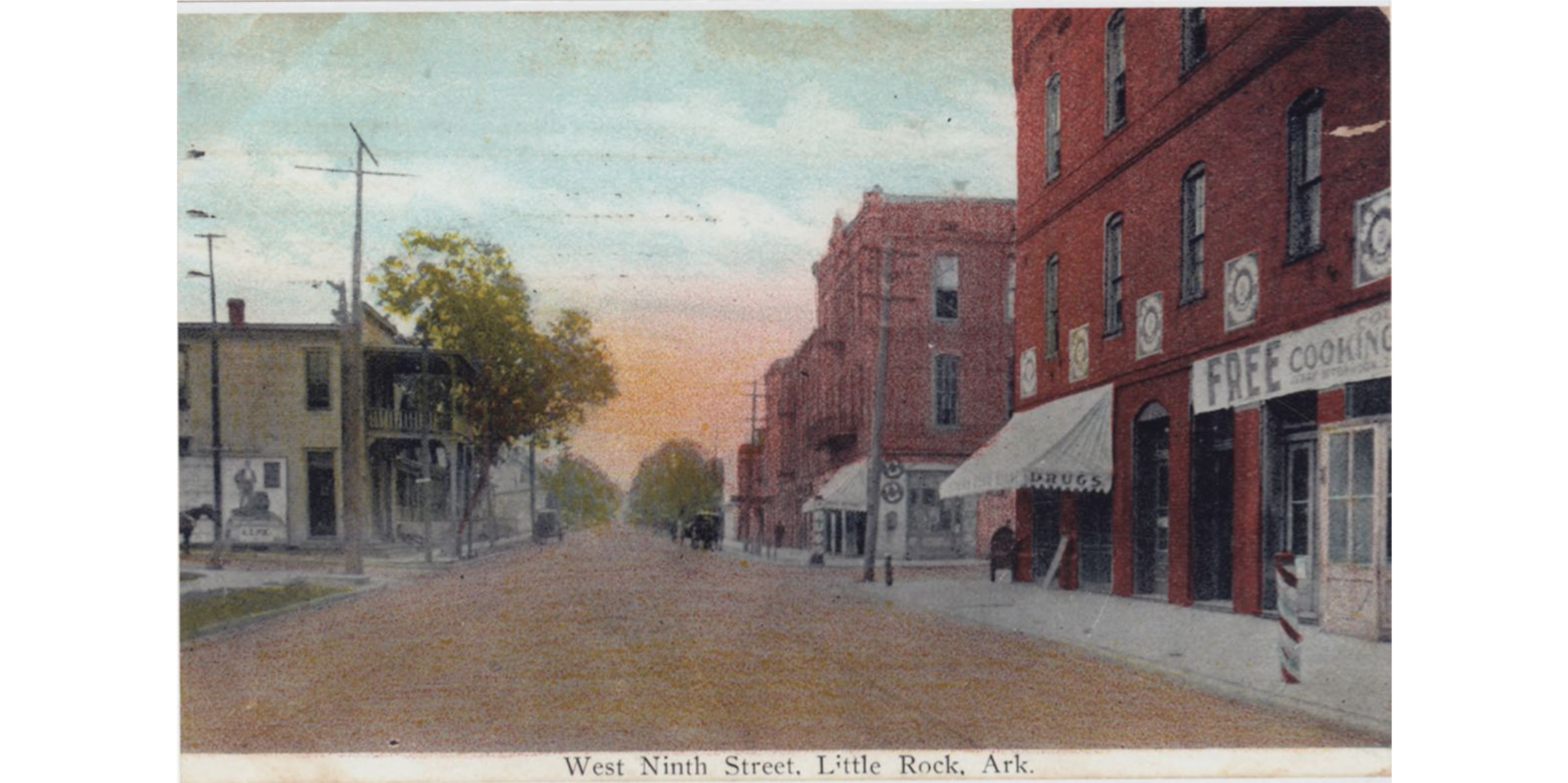
West Ninth Street in Little Rock (Pulaski County) was a predominately African American neighborhood that emerged during the Civil War. Between the 1920s and the 1940s, it served as the center of African American culture and business in Little Rock. Originally known as West Hazel Street, it was renamed West Ninth Street shortly after the Civil War. During the Jim Crow era (1890s – 1960s), when segregation policies and practices separated Black and white communities, the street was often referred to as “the Line,” which indicated the color line dividing Black and white residents of Little Rock. West Ninth Street was home to businesses, fraternal organizations, cultural institutions, churches, and family homes. During the period of Harlem Renaissance, West Ninth Street received the nickname “Little Harlem,” suggesting that its importance to Little Rock’s African American communities echoed the importance of Harlem to the African American experience in New York City. The construction of Interstate 630 and other urban development projects contributed to the neighborhood’s demise in the 1950s and 60s.
West Ninth Street (Little Rock) from the Encyclopedia of Arkansas:
https://encyclopediaofarkansas.net/entries/west-ninth-street-little-rock-14537/
Little Rock’s Historic Ninth Street District by CALS: https://robertslibrary.org/historic-ninth-street/
Lost West Ninth Street by CALS/Google Earth: https://robertslibrary.org/lost-west-ninth-street/
Urban Renewal from the Encyclopedia of Arkansas: https://encyclopediaofarkansas.net/entries/Urban-Renewal-7856/
Learning Objectives
By the end of this lesson, students will:
- Understand how building strong vibrant communities can be a form of resistance.
- Understand how citizens can engage in their own communities to mobilize civic participation.
- Explain how resistance promotes democracy and opposition to injustice.
- Provide examples of how we can demonstrate resistance today.
- Determine how they can engage in a democratic process and empower others to do it.
Key Terms
West Ninth Street – A predominately African American neighborhood that between the 1920s and the 1950s served as the center of African American culture and business in Little Rock.
Harlem Renaissance – An intellectual and cultural movement celebrating African American culture, centered in Harlem, New York City, in the 1920s and 1930s.
Jim Crow – A set of laws and legal practices that created segregation and discrimination against African Americans, dominant across Southern and border states between 1877 and the mid-1960s.
Community – A group of people living in the same place or having a particular characteristic in common or sharing common attitudes, interests, and goals.
Democracy – A system of government, in which power is vested in the people and exercised by them directly or through freely elected officials.
Citizen – A person who was born in a particular country and has certain rights or has been given certain rights because of having lived there.
Urban renewal – A series of policies and decision that led to the redevelopment of land in American cities after World War II. Although the explicit goal was to replace old and decrepit structures with new and modern ones, these projects often displaced entire communities by forcing them to leave their neighborhoods.
Primary Sources
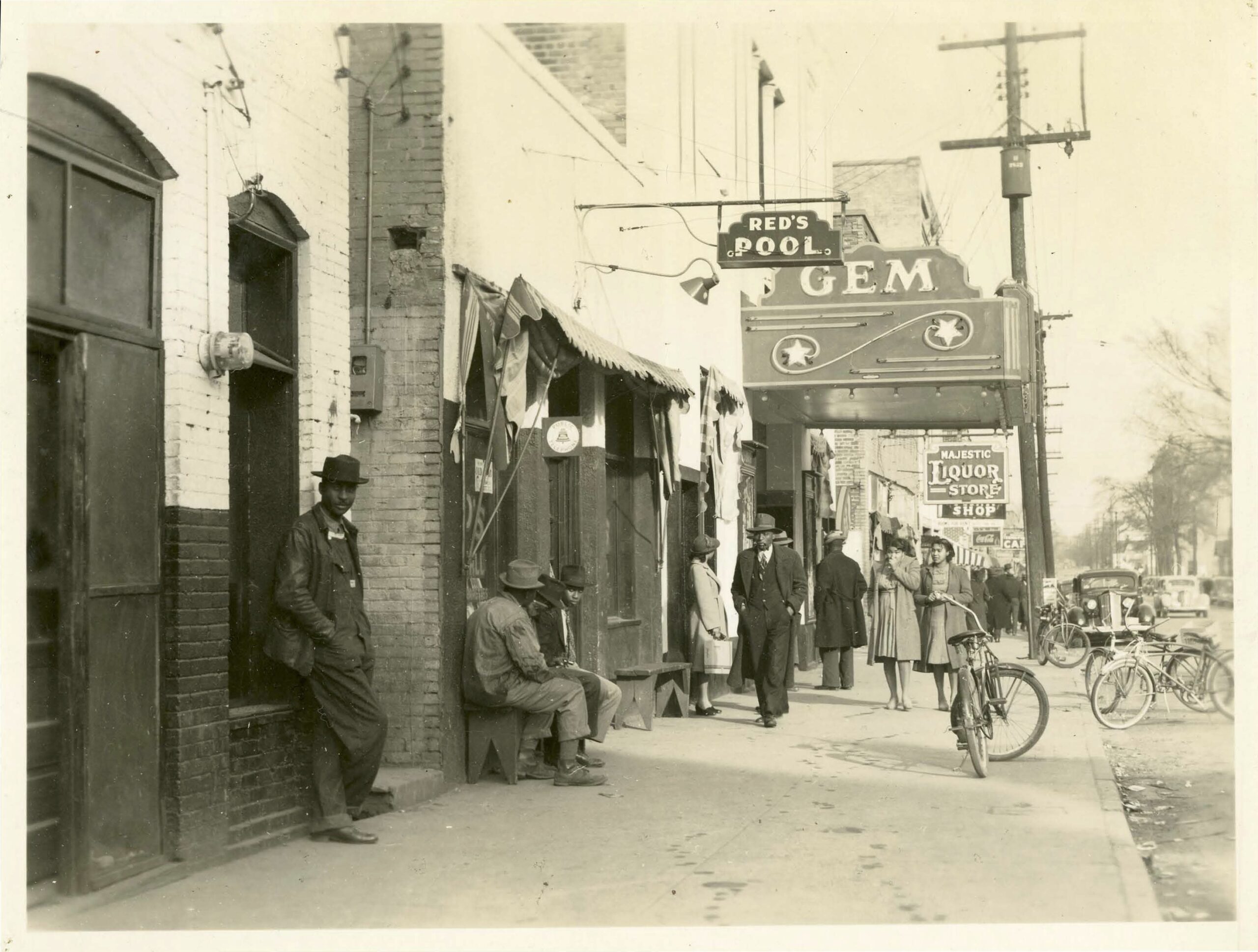
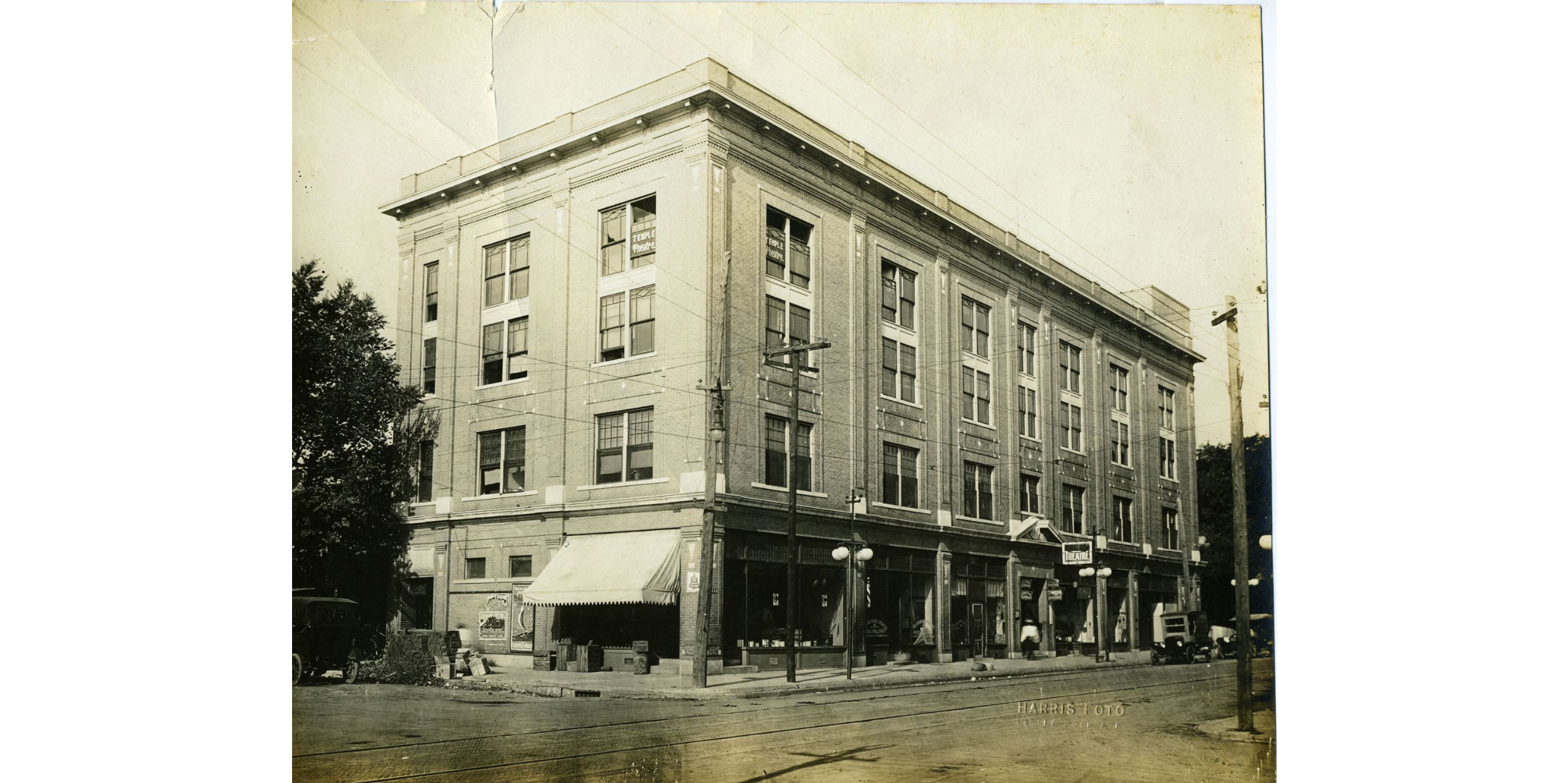
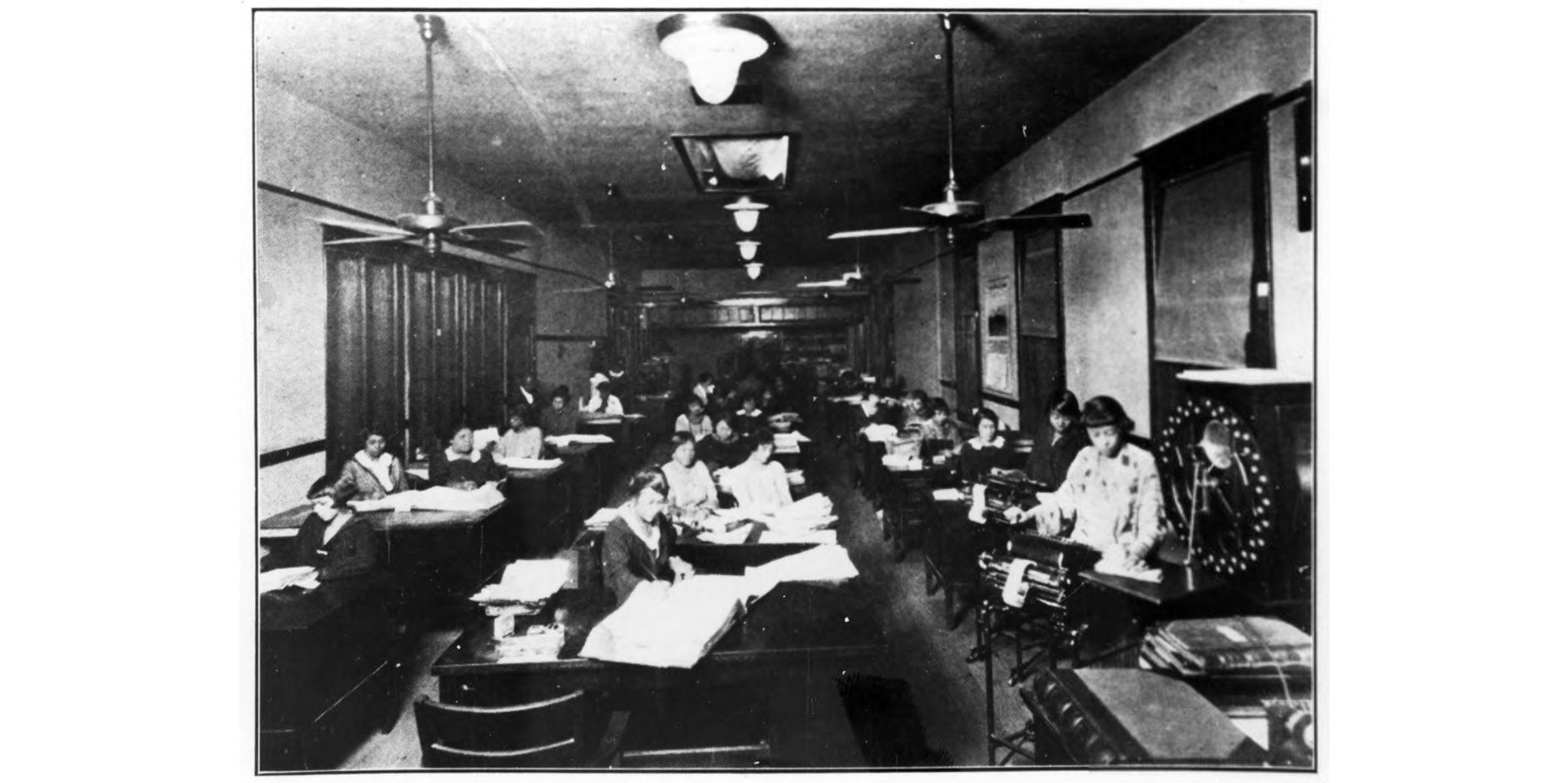
Note: The following photos from historic W. 9th Street in Little Rock depict mostly buildings, including those hosting businesses, hospitals, and fraternal organizations. Encourage your students to think under what circumstances a simple grocery store, a hospital, or a community center might serve as a site of resistance. Point out that creating a thriving neighborhood at the time when a community is treated as second class citizens and has very limited opportunities can be a form of resistance against discrimination.
Many buildings in the photos document the history of fraternal organizations. Ask your students how fraternal organizations help strengthen communities (United Friends of America, Independent Order of Immaculates, Nights and Daughters of Tabor, Mosaic Templars). Finally, compare the photos from Set 1 with the photos from Set 2. The latter were taken after 1957, when W. 9th Street was already affected by urban renewal policies.
Set 1: Photos of W. 9th Street from the 1900s – 1940s

Butler Center for Arkansas Studies, Central Arkansas Library System.
Butler Center for Arkansas Studies, Central Arkansas Library System.
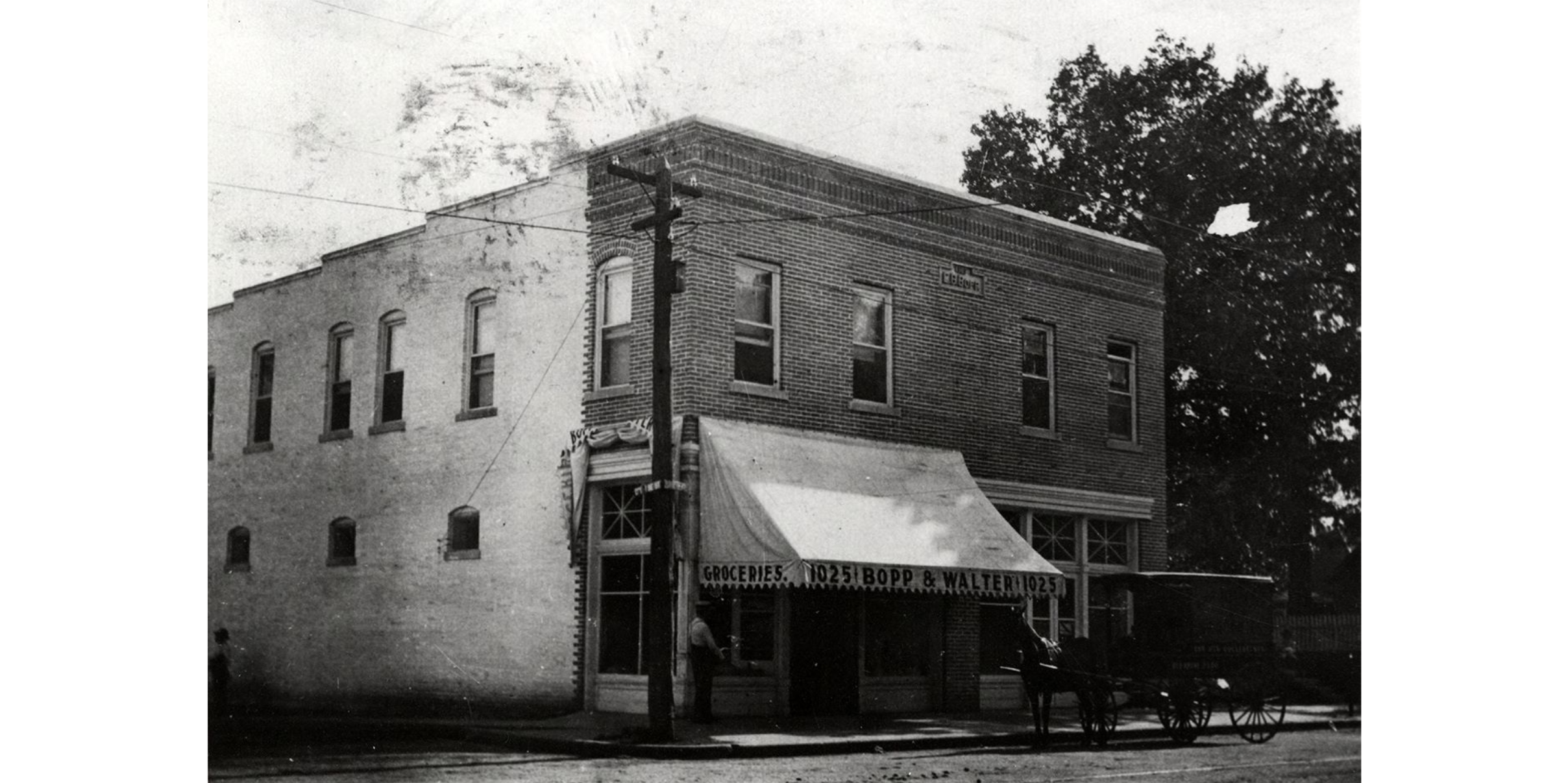
Butler Center for Arkansas Studies, Central Arkansas Library System.

Butler Center for Arkansas Studies, Central Arkansas Library System.

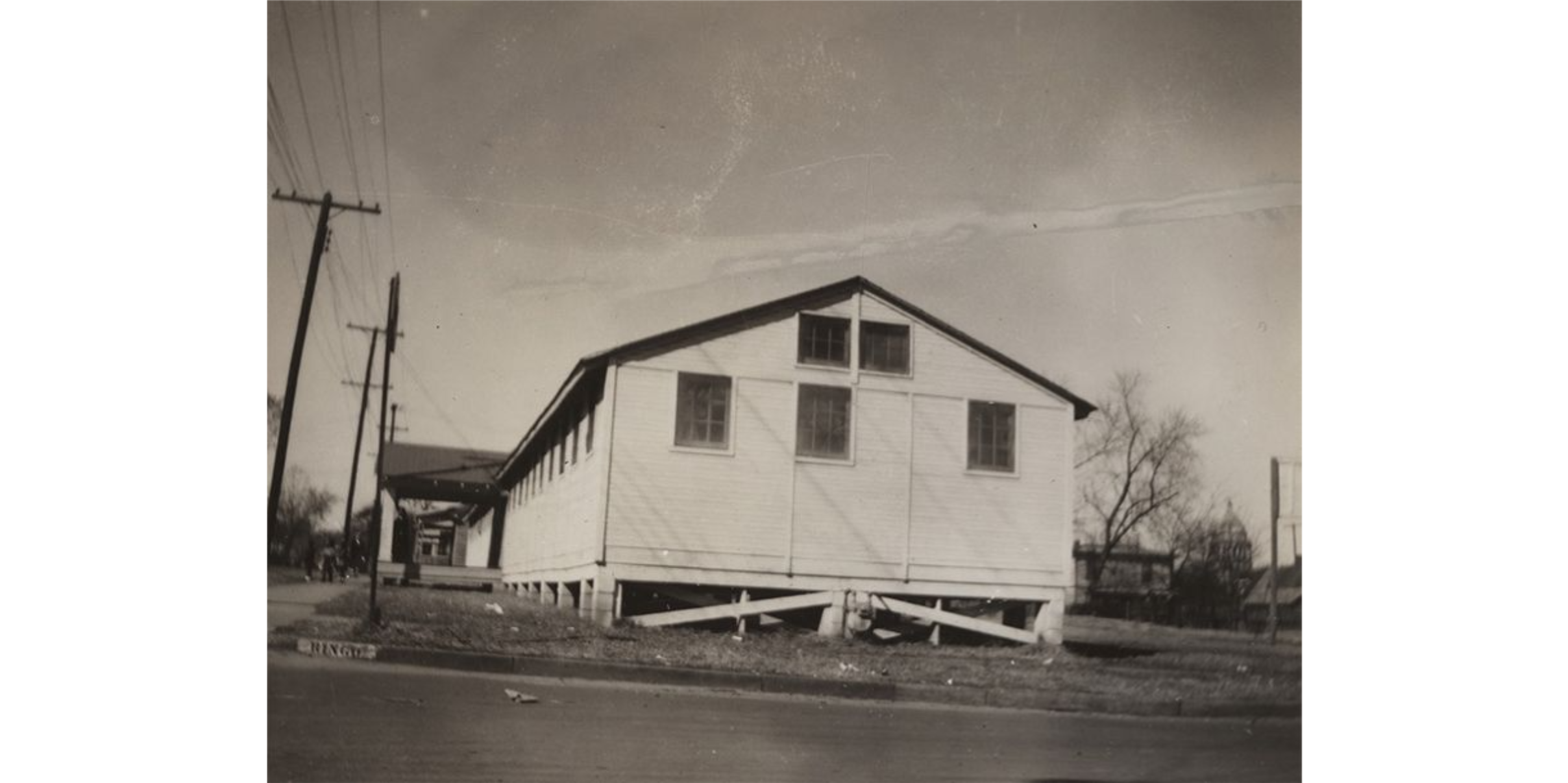
Butler Center for Arkansas Studies, Central Arkansas Library System.
Butler Center for Arkansas Studies, Central Arkansas Library System.
Set 2: Photos of W. 9th Street from the late 1950s and later
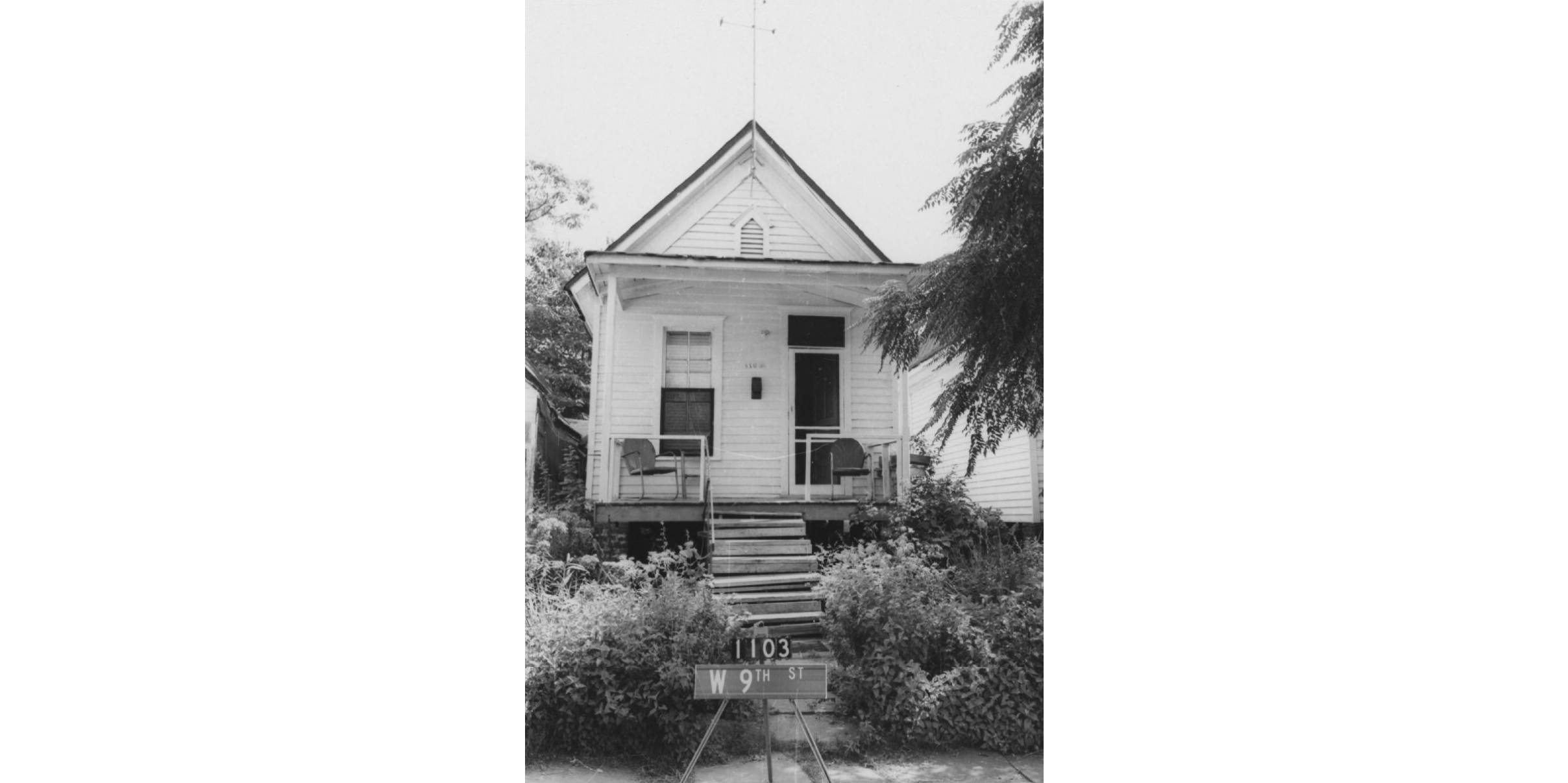
Butler Center for Arkansas Studies, Central Arkansas Library System.
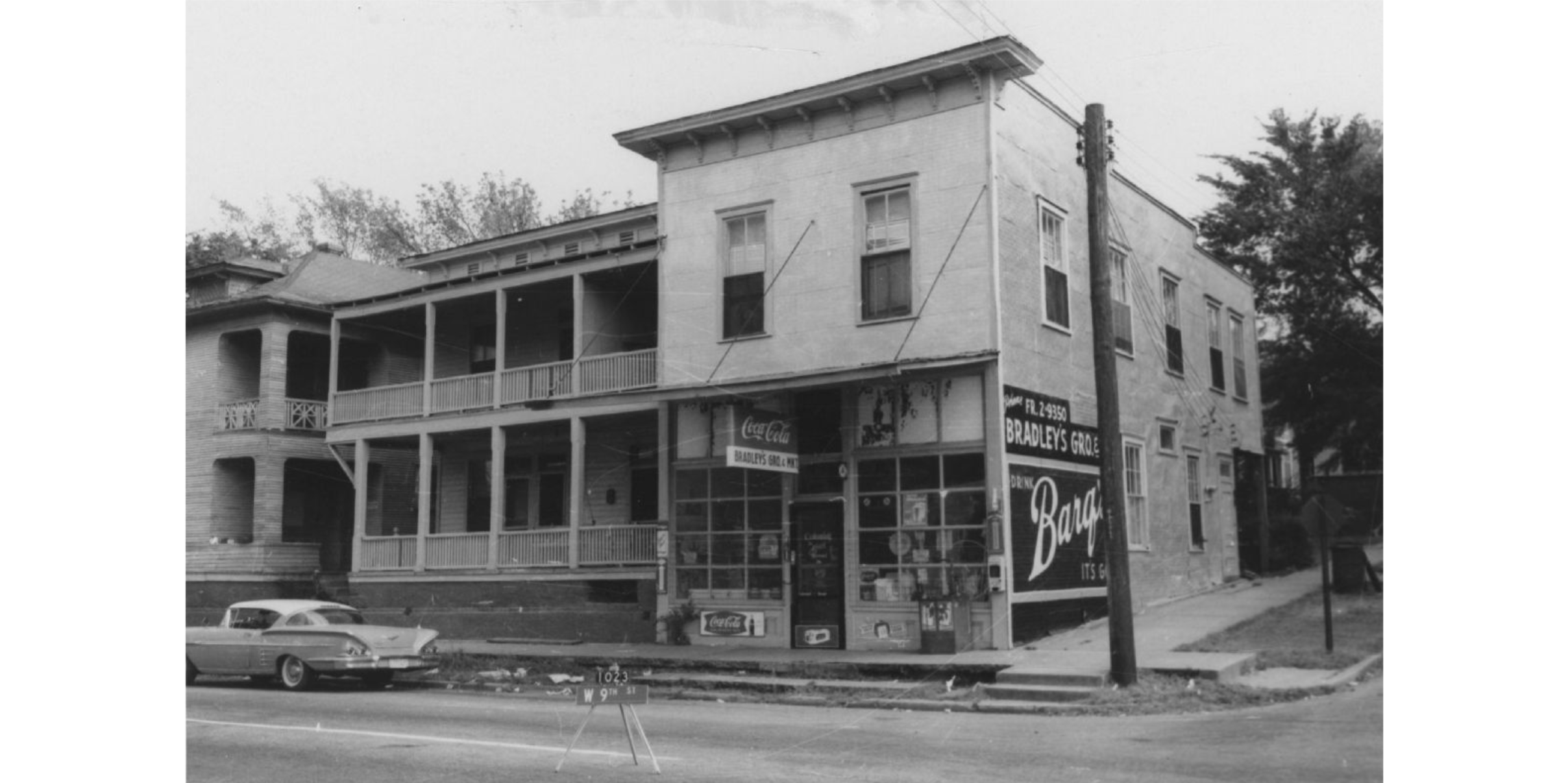
Butler Center for Arkansas Studies, Central Arkansas Library System.
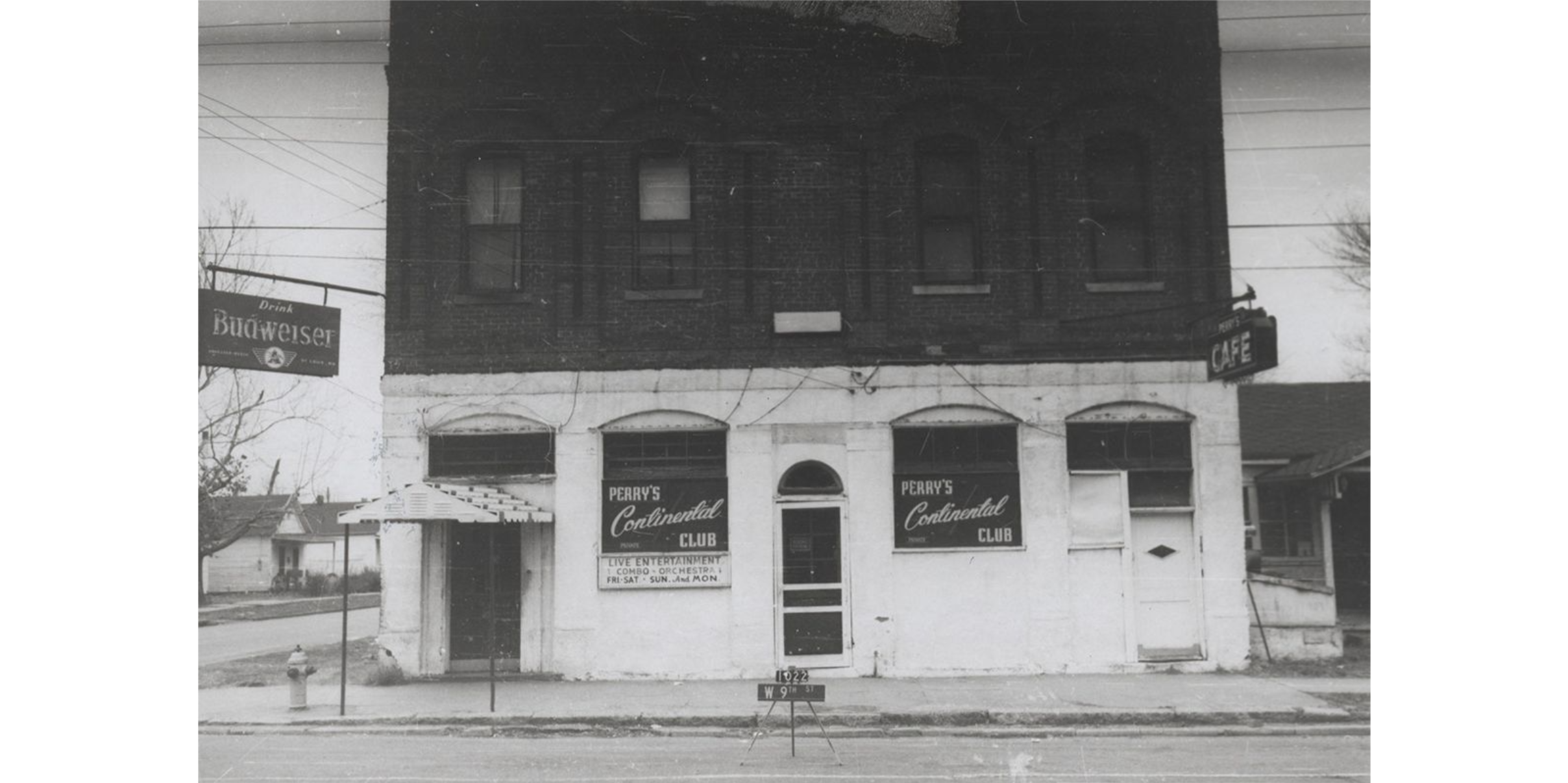
Butler Center for Arkansas Studies, Central Arkansas Library System.
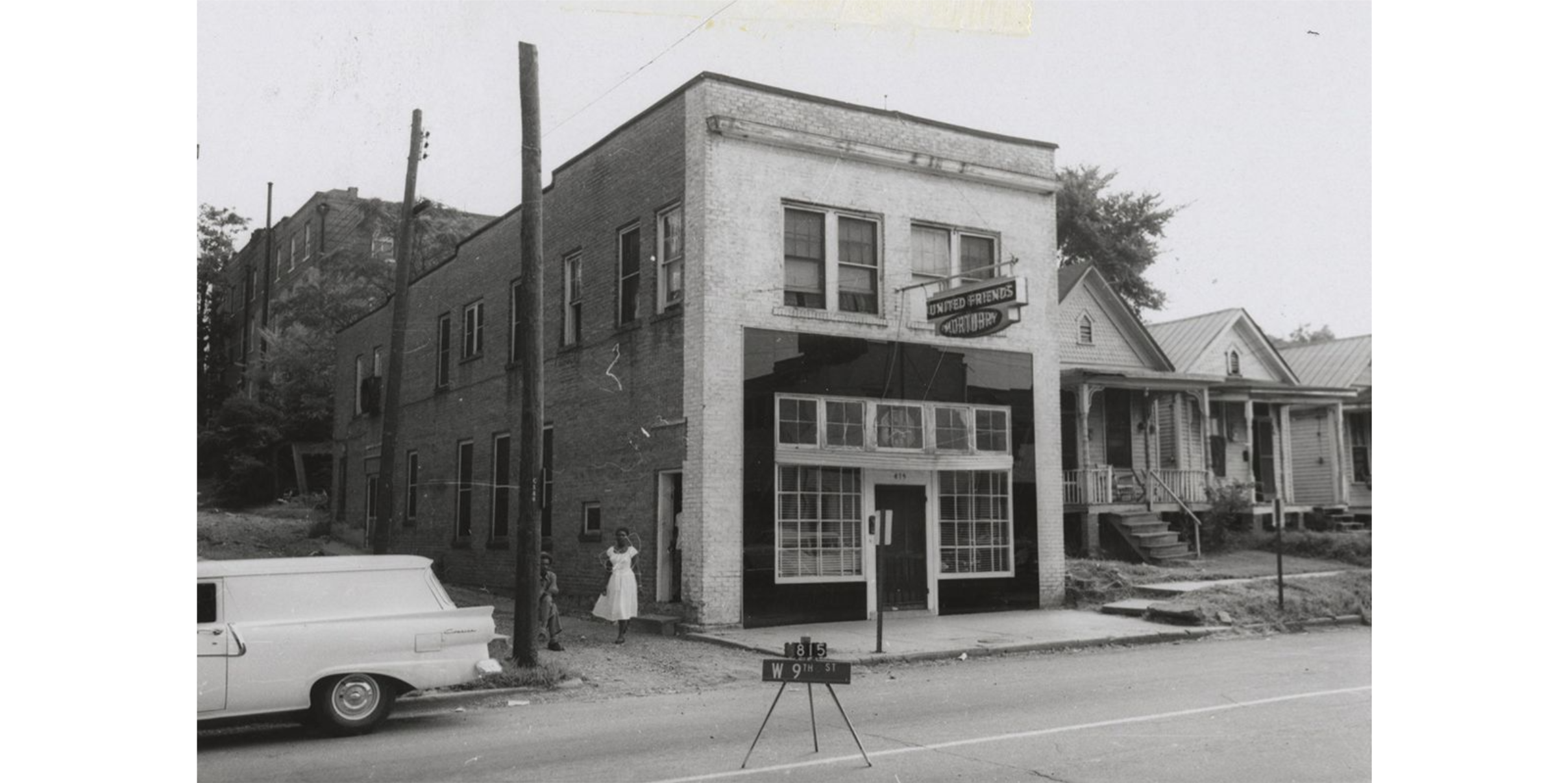
Butler Center for Arkansas Studies, Central Arkansas Library System.
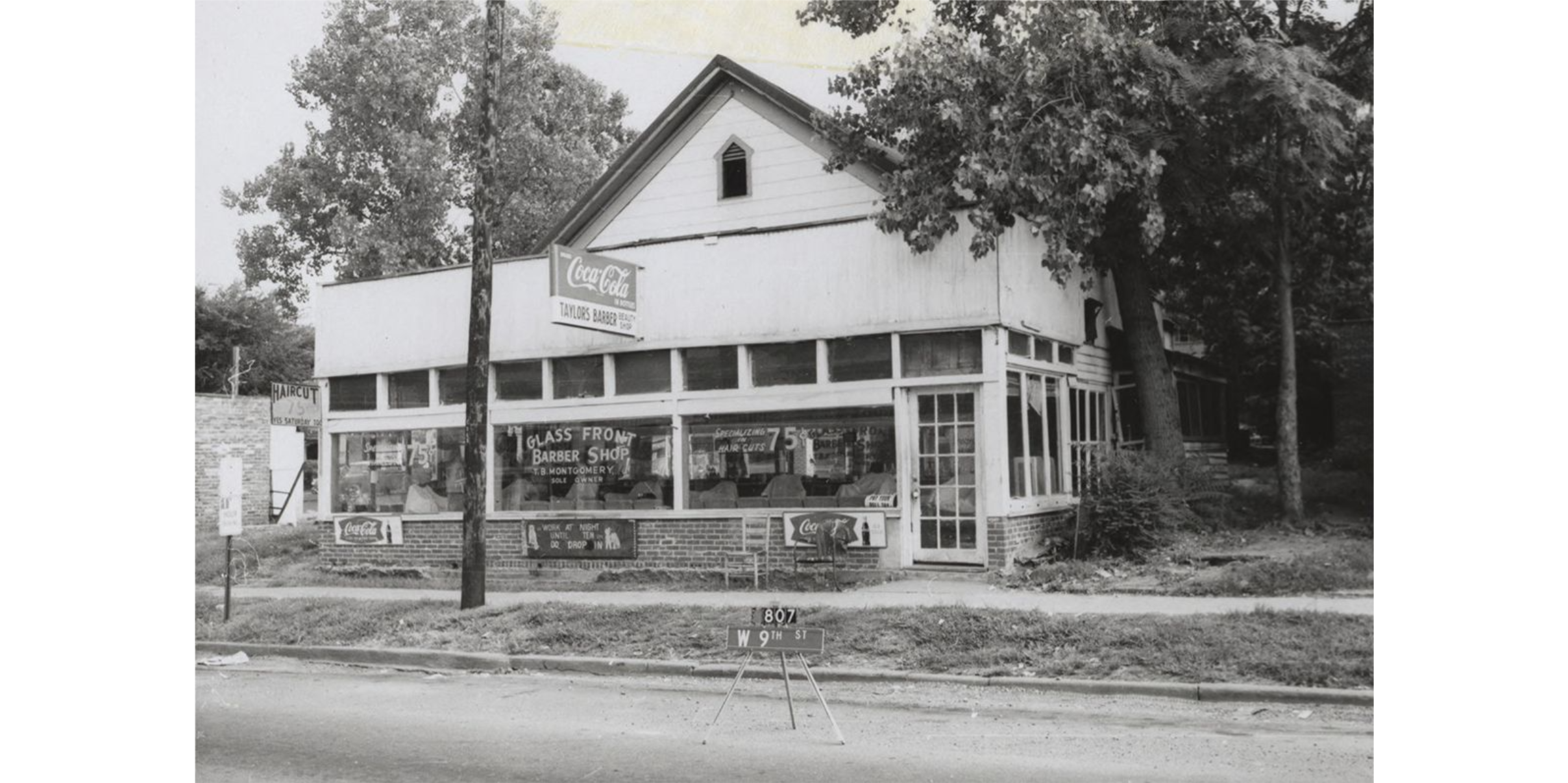
Butler Center for Arkansas Studies, Central Arkansas Library System.
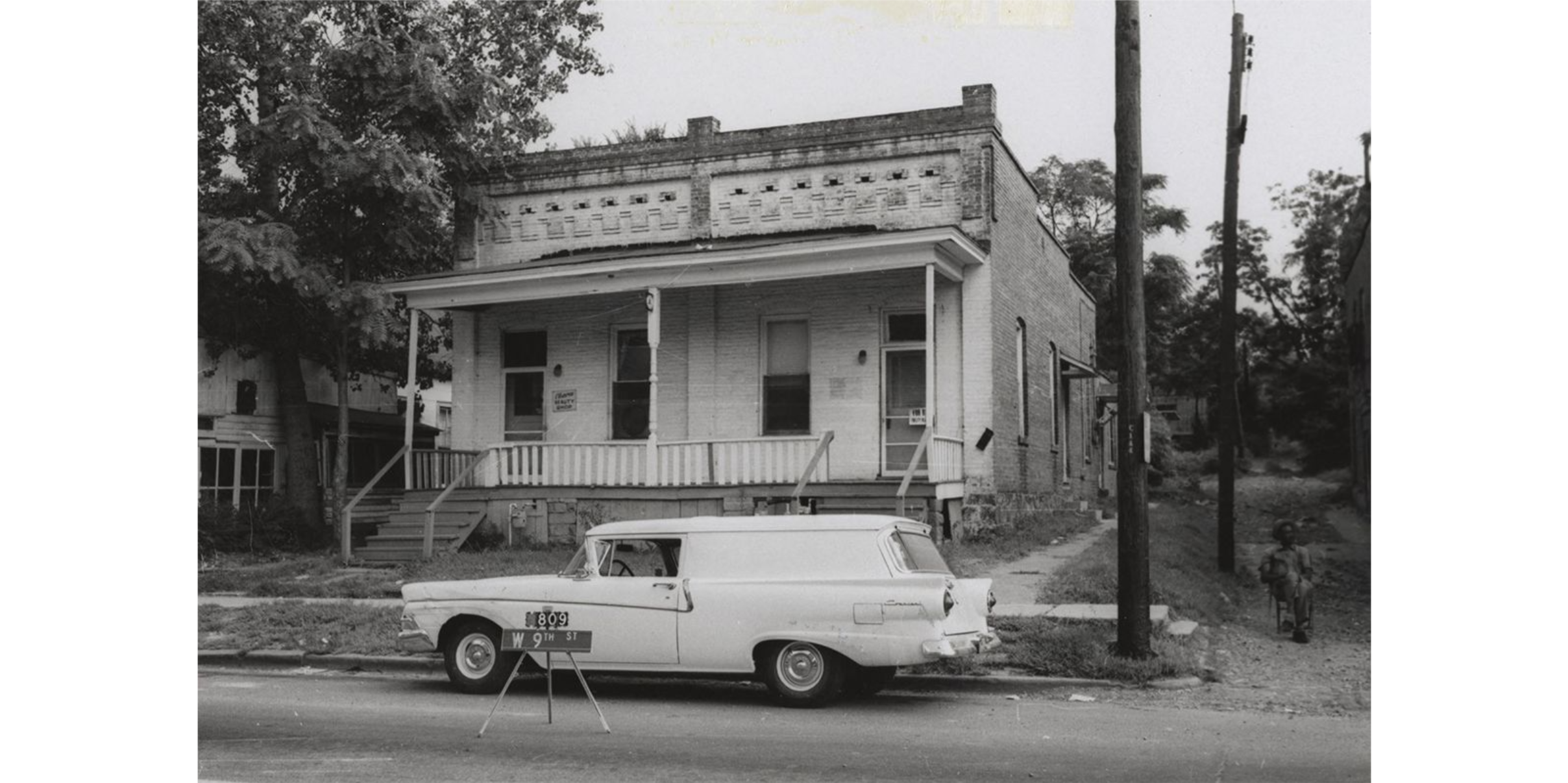
Butler Center for Arkansas Studies, Central Arkansas Library System.
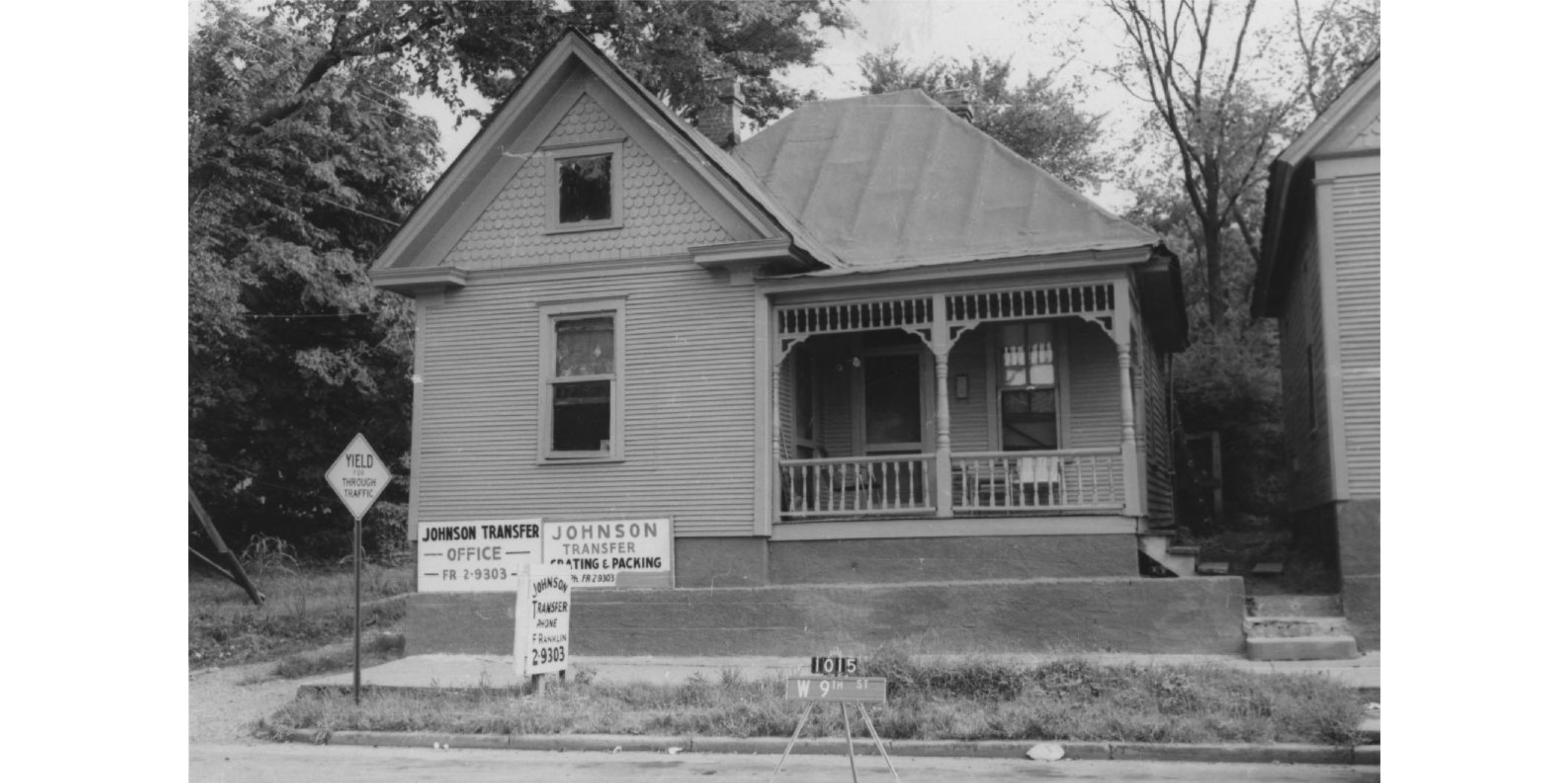
Butler Center for Arkansas Studies, Central Arkansas Library System.

Butler Center for Arkansas Studies, Central Arkansas Library System.
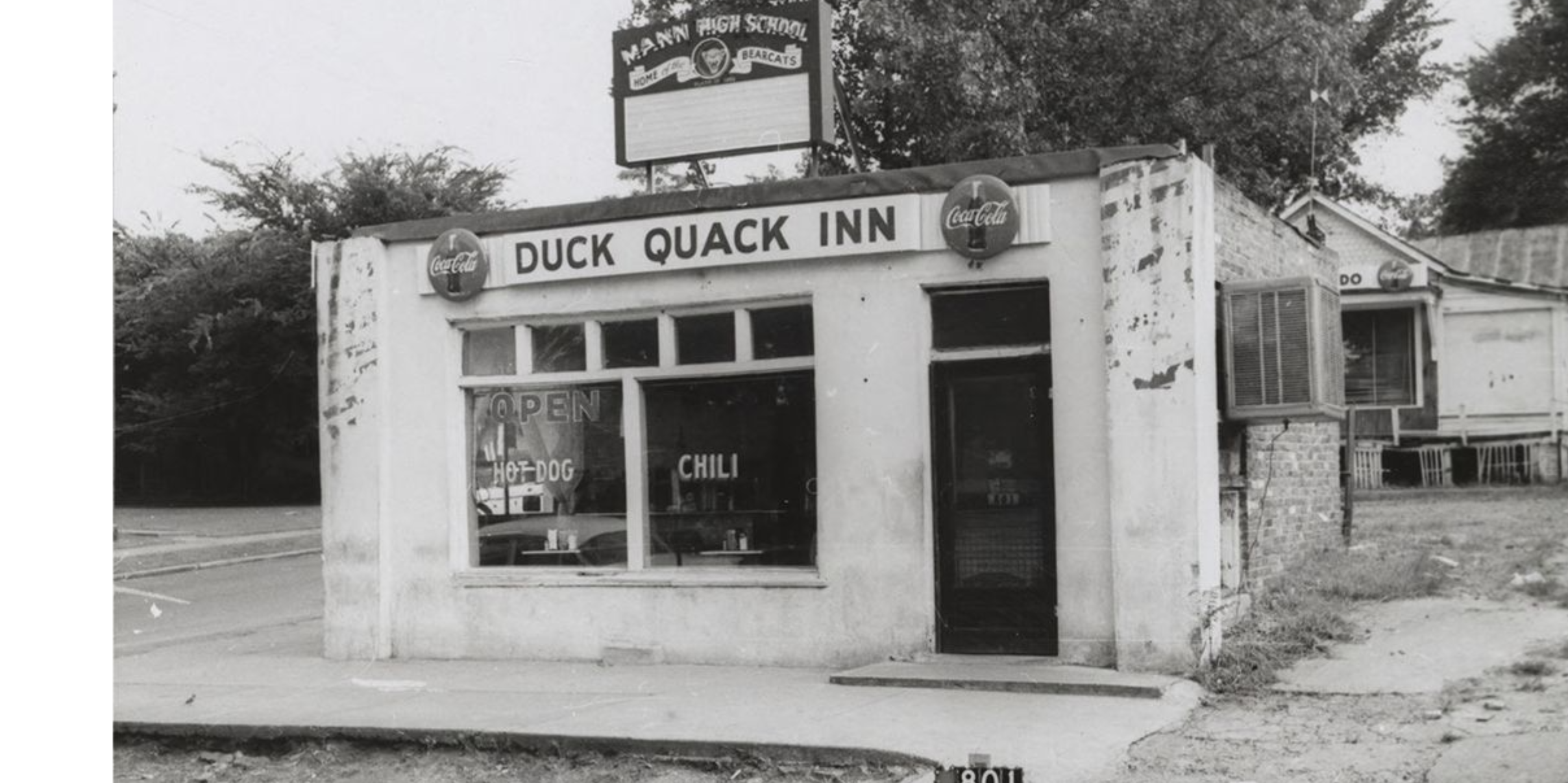
Butler Center for Arkansas Studies, Central Arkansas Library System.
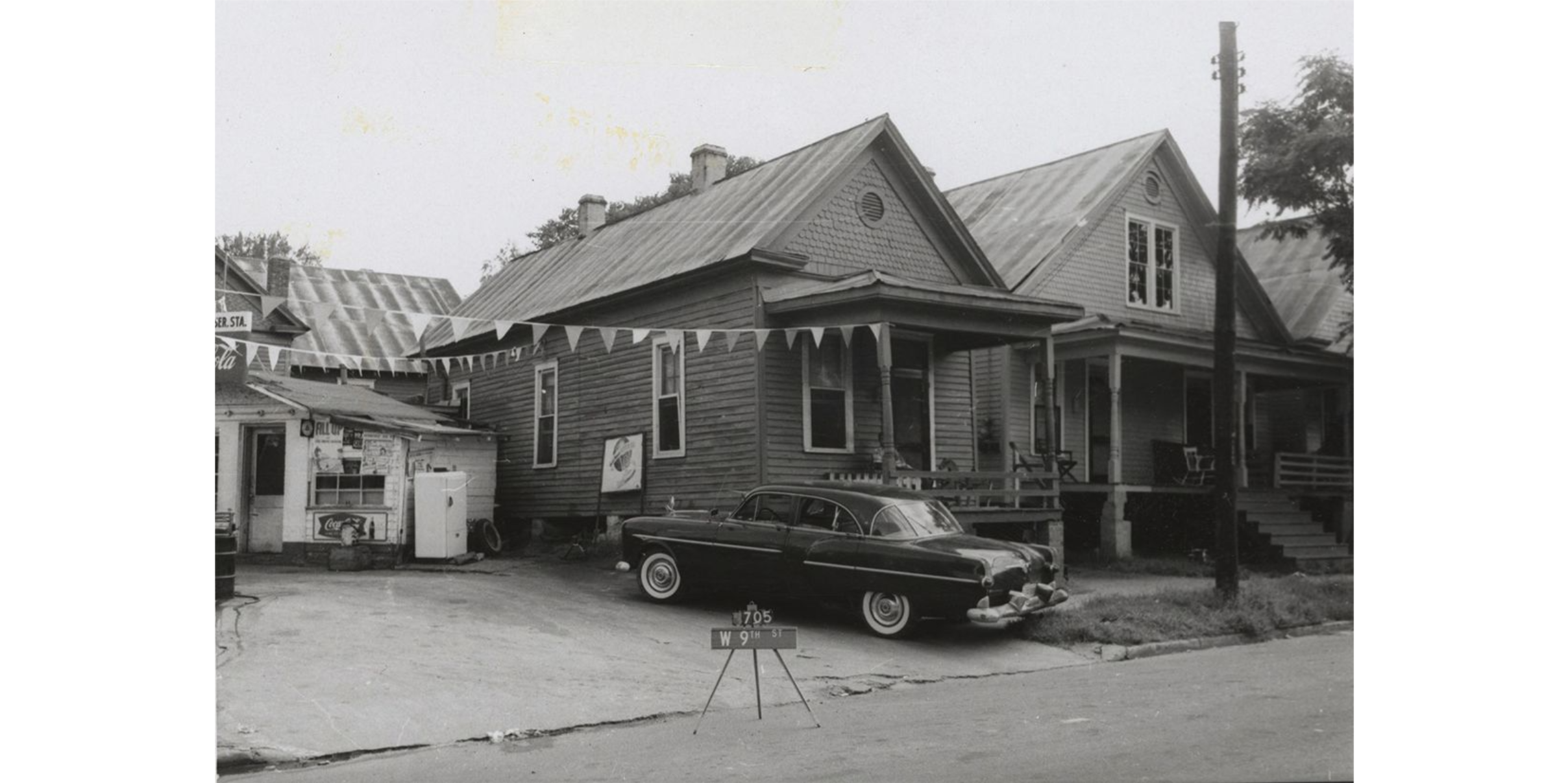
Butler Center for Arkansas Studies, Central Arkansas Library System.
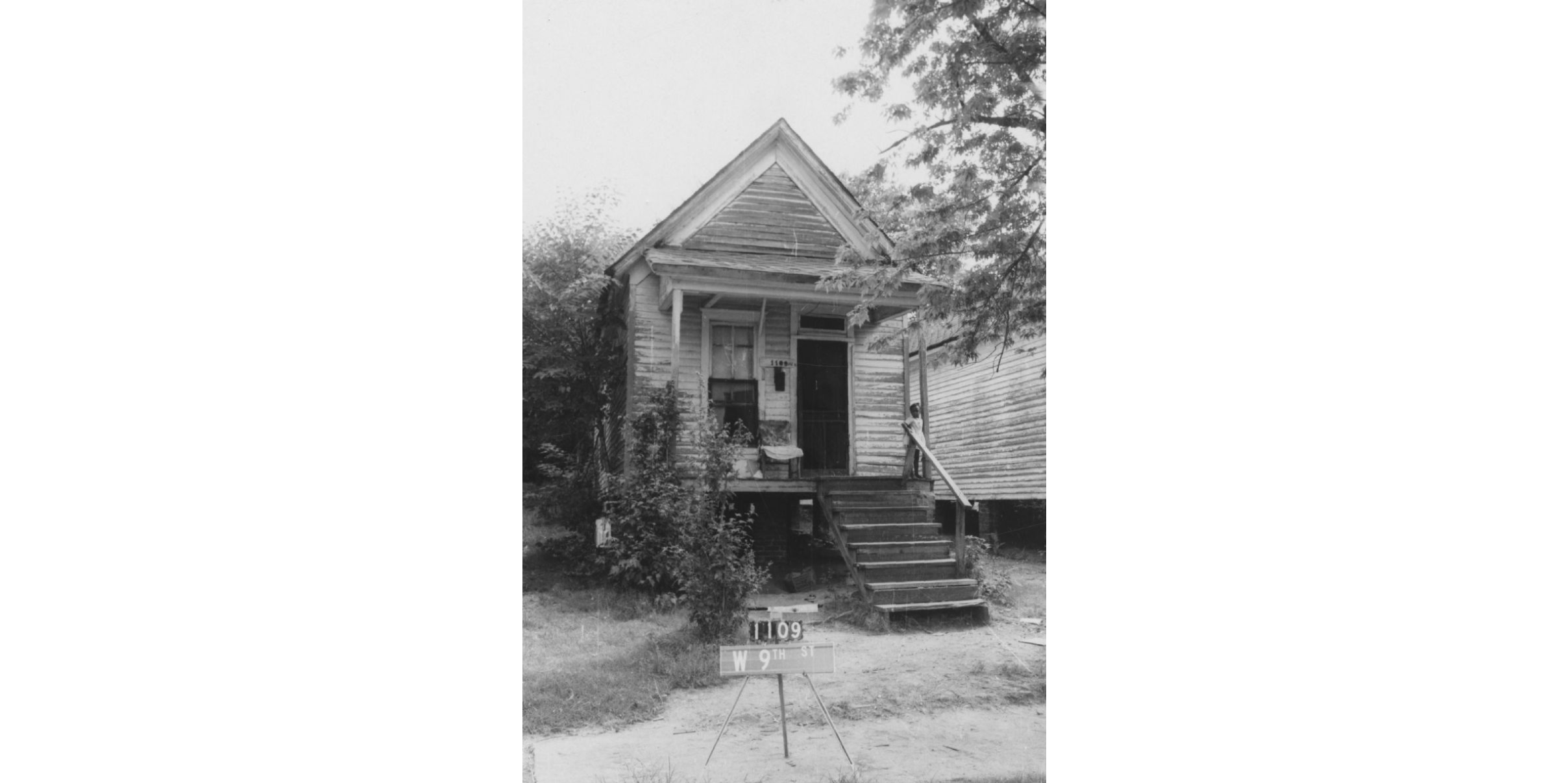
Butler Center for Arkansas Studies, Central Arkansas Library System.
![A small house surrounded by shrubs. A small, hand-written sign on the left reads "Daniels [?] Beauty Shop."](https://ualrdowntown-learn.org/wp-content/uploads/2024/09/House-at-1112-W.-9th-Street-Little-Rock-Ark.png)
Butler Center for Arkansas Studies, Central Arkansas Library System.

Butler Center for Arkansas Studies, Central Arkansas Library System.
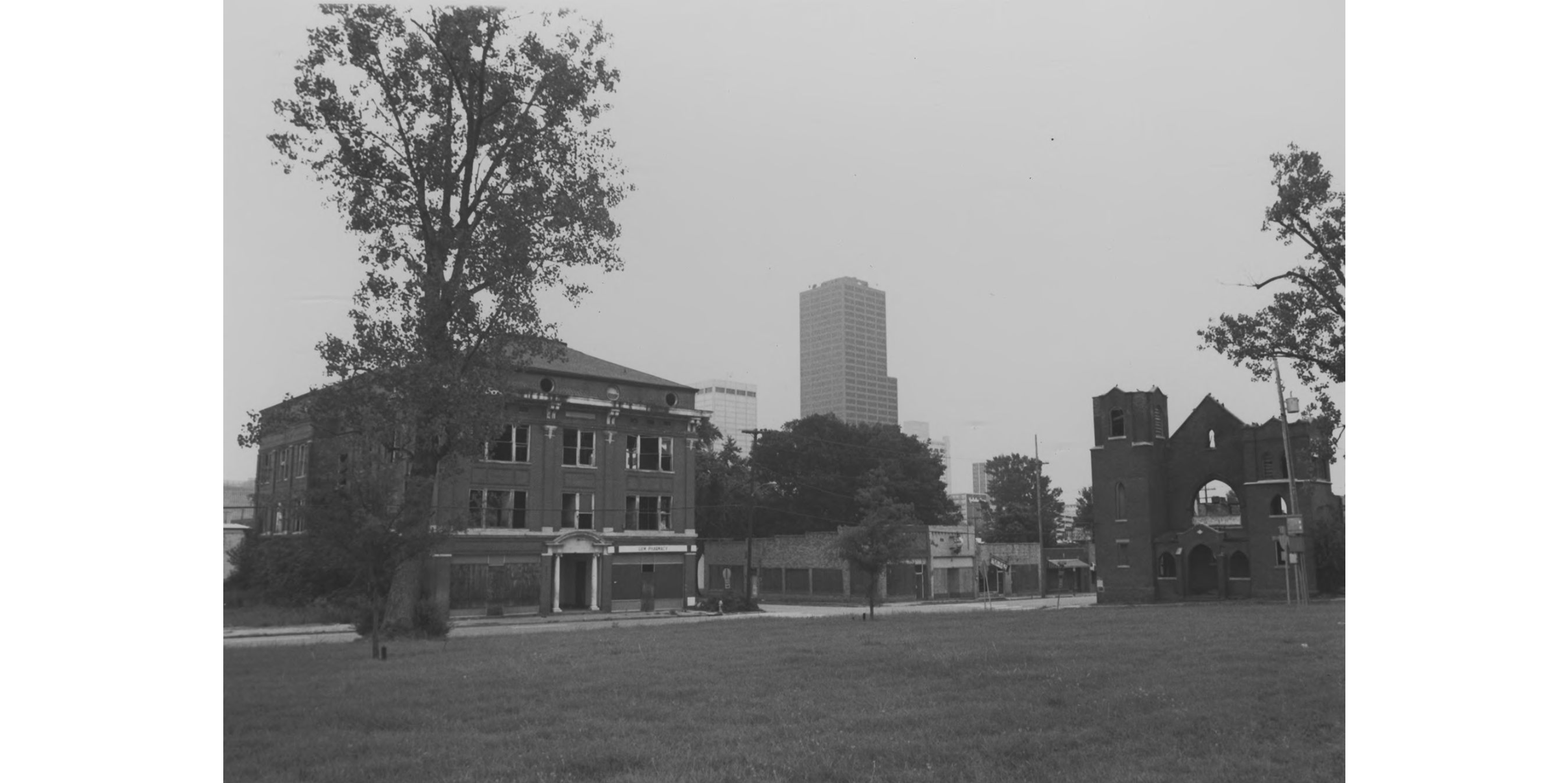
Butler Center for Arkansas Studies, Central Arkansas Library System.
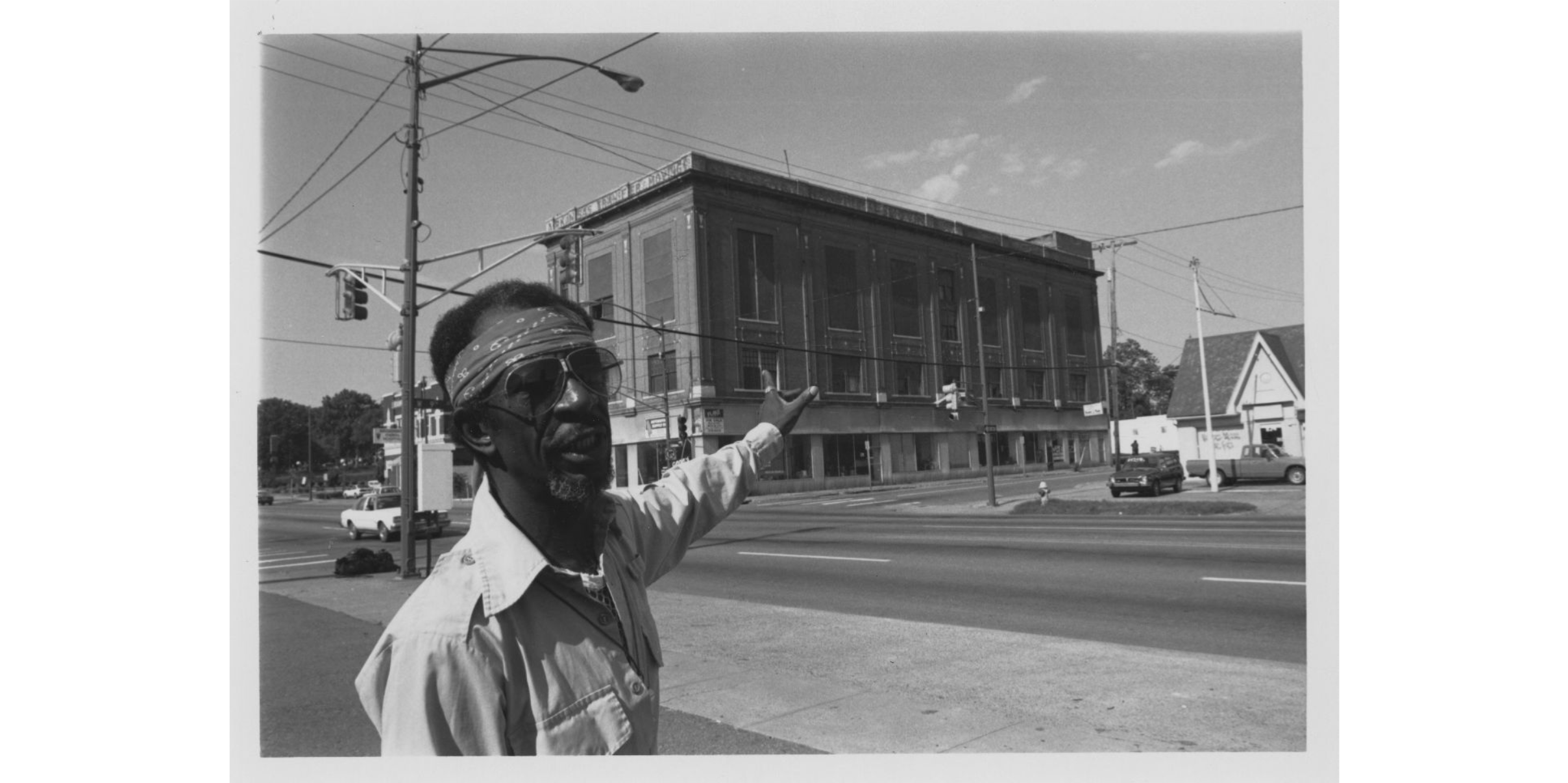
Butler Center for Arkansas Studies, Central Arkansas Library System.
Procedures
1) Starter
Give an example of resistance or resistance movement in the past or now.
2) Guiding questions
How do citizens/people resist injustice or fight for an important cause in a democratic process?
What are different individual and collective forms of resistance?
What results have resistance movements or individual resistance acts produced?
3) Background info.
People have historically resisted injustices and fought for various causes by organizing mass resistance campaigns and through smaller resistance acts. One of the best-known examples of a large resistance movement is the Civil Rights Movement (CRM), which in the 1950s and the 1960s fought against the disenfranchisement of African Americans. CRM used both mass actions and smaller resistance acts to achieve its goals. Marches (e.g., Selma to Montgomery in 1965), or strikes (e.g., in 1968 in Memphis, Tennessee, when 1,300 Black sanitation workers refused to work demanding safer working conditions) are examples of CRM big resistance campaigns. Smaller CRM resistance acts included sit-ins (e.g., when African Americans refused to leave lunch counters marked for “whites only”) or taking the seats reserved for white riders on public buses.
Another example is the Harlem Renaissance, or an intellectual and cultural movement that emerged in the predominantly African American neighborhood of Harlem in New York City. The Harlem Renaissance spanned the 1920s and 1930s, when Black music, dance, art, fashion, literature, theater, politics, and scholarship flourished while celebrating the African American experience. Other American cities, including Little Rock, mirrored what was happening in New York by establishing thriving Black centers of culture, business, and education. In the realities of segregation, creating strong neighborhoods with bustling community-driven institutions and vibrant cultural expressions in the form of music or arts became a form of resistance against discrimination.
Other historical examples of citizens’ resistance in US history that may help students think of what form resistance can take:
– Ida Wells’ journalism against lynching (writing as resistance).
– In 1872, Susan B. Anthony voted in a presidential election (exercising the civil rights when we are denied them).
– Enslaved people sabotaged labor that they were forced to do by working slowly, breaking tools, or faking illness. They also created and performed art (e.g., singing and playing instruments; art is a quintessentially human activity and slavery supporters justified slavery by claiming enslaved people were not fully human).
4) Activities
Analysis of provided primary sources.
Ask students what cause they are passionate about. Following a quick questions and answers session, students create their own expression of resistance in any form, e.g., spoken word/poetry, sign, op-ed, infographic, infomercial, presentation, social media post, etc.
Ask students if they belong to, support, or know of any community organization that helps strengthen their community (e.g., church, Scouts, food pantry, community center, etc.). Students prepare group presentations that show how a community organization of their choice help their communities.
5) Rubric
[1 – 5] Exceeding/proficient/novice/emerging/unsatisfactory
Were you engaged and actively participating?
Can you articulate the understanding of key concepts?
Can you accurately identify examples of each concept?
Can you explain different historical or current examples of resistance?
Assessment
Self-assessment:
What did you know? What do you want to know? What did you learn? [KWL]
Exit question (students provide answers on a small piece of paper):
How can I support my community today?
Reflection
Research examples of individual, community/grassroots, national, and/or global acts of resistance.
Individual: Find a story of an individual who did something to help their community.
Local community/grassroots: Find an example of how people in a community came together to strengthen their community.
National: Find an example of a national organization or a national action organized by citizens that has helped to strengthen communities across the United States.
Global: Find an example of an international organization or an international action organized by citizens in different countries that has helped to strengthen communities across the world.
Extension Relevance
- Find a song that expresses resistance.
- Find modern-day resistance through art (visual, audio, performance, etc.).
- Watch documentary Dream Land: Little Rock’s West 9th Street, available through PBS Arkansas: https://www.pbs.org/video/dream-land-little-rocks-west-9th-street-n28kic/. In what ways was building a thriving African American neighborhood at the time of segregation and disenfranchisement of African Americans a form of resistance?
Arkansas Social Studies Standards
| US History | Era 7: 1890-1930, Emergence of Modern America | H.5.8.5, H.5.8.8 |
| Era 8: 1929-1945, The Great Depression and World War II – United States during and following these major events | H.5.USH.4 | |
| Arkansas History, Grades 7/8 | H.1.ARH.13 | |
| Arkansas History, Grades 9-12 | Era 7: Perspectives of Arkansans in the early 20th century (1901-1930) | H.5.ARH.1 H.5.ARH.2 |
| Era 8: Perspectives of Arkansans in the early 20th century (1929-1940) | H.5.ARH.6 H.5.ARH.9 | |
| African American History | Era 8: 1929-1945, Seeds of Change – African American experience (1920-1950) | H.5.AAH.1 H.5.AAH.2 H.5.AAH.3 |
| Era 9: 1945 to Early 1970s, Illusion of Equality – African American experience (1950-1970) | H.5.AAH.6 |